It is technically and scientifically known that fire behaviour varies with weather conditions, vegetation type and management resulting from economic or conservation activities, which enable these small disturbances in the vegetation of marginal mountain lands.
In the recent wildfires in the summer of 2024 and 2025 in the Serra do Alvão, which affected the area of common land ( mountain / marginal land), we found that land managed through grazing and prescribed burning (pastoral and technical) recovered more quickly and with greater productivity (with less loss of soil and organic matter) than areas of shrubland without management and without interference from domestic and wild grazing.
However, on the arable lands of these landscapes, alluvial areas around villages, lands known as Lameiros (the hay meadows), with more ventilated soil and with large amounts of organic matter, the physical and chemical losses to the soil structure caused by the passage of fire in the summer are catastrophic and damage the generational pastoral legacy of these lands in decades, as they are currently in demographic decline.
Wildfires, with more or less regular frequency, have swept for decades through marginal areas (common lands) , the mountains of rural communities. With the current frequency of these wildfires and the current prevention and firefighting strategies, we are seeing that fires in the summer are beginning to spread through arable land, which is of immeasurable ecological and cultural value to the reality of the communities and landscapes of the northern mountains of the country.
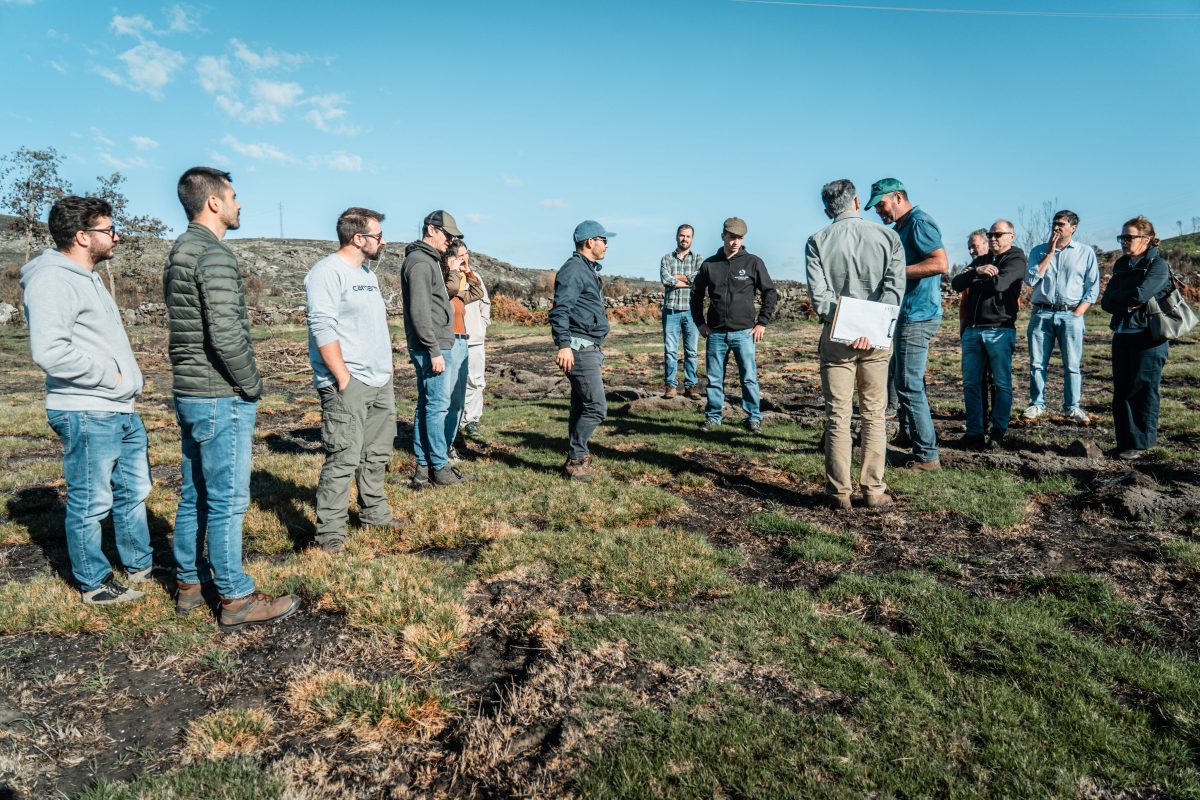
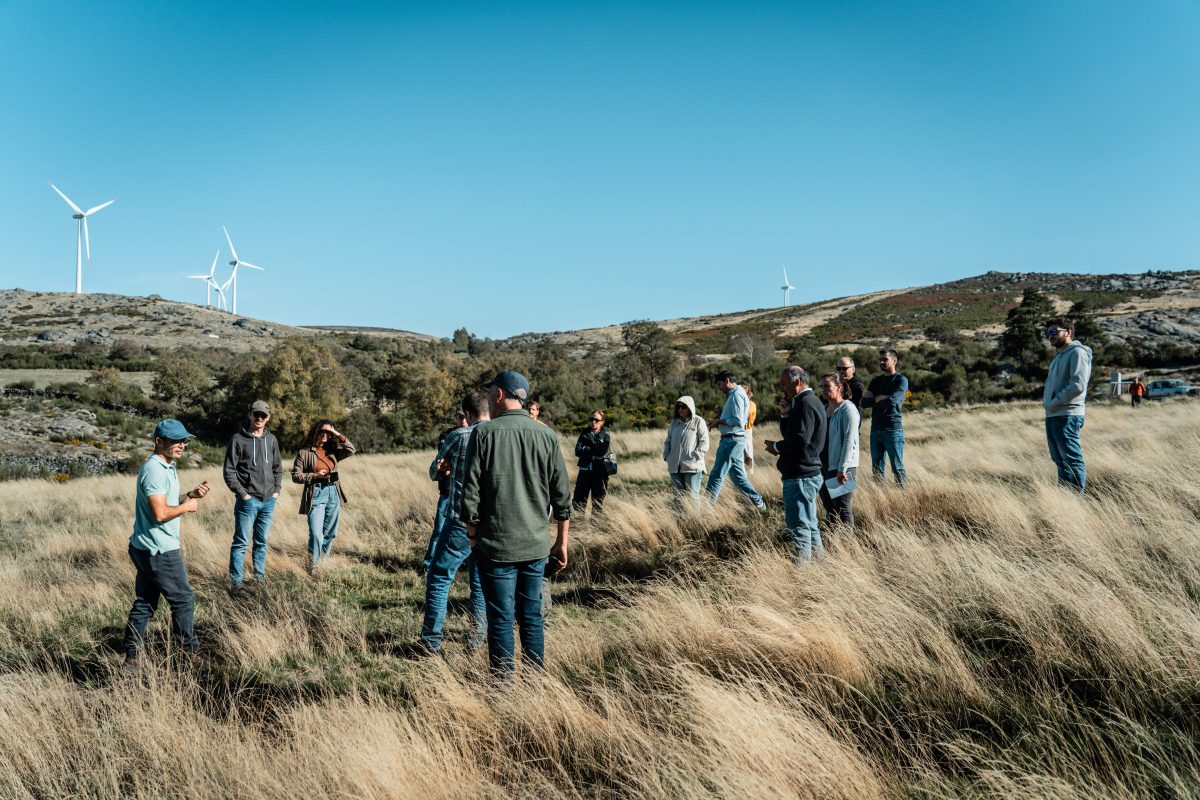
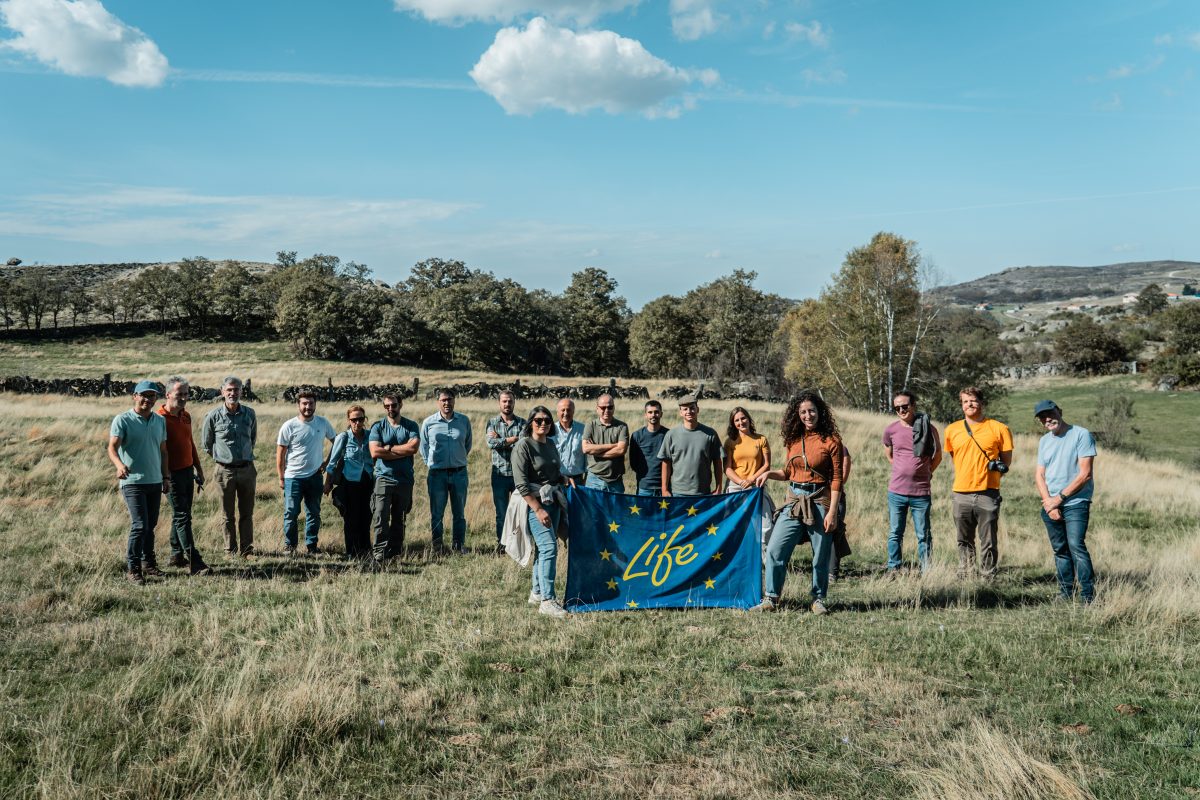
It was with this sense of urgency in mind and with the aim of communicating the findings of the project to the public that we organised the 1st Workshop on the Restoration of Lameiros in Alvadia, in Lamas, on 15 October. The workshop was led by breeder Avelino Rego and accompanied by members of the project team, IPB professors Jaime Pires and Carlos Aguiar. It was attended by a large number of local and regional technical staff from the ICNF and project partners from the forestry and tourism sectors.
The workshop programme consisted of visits to three different plots: one hay meadow affected by the 2025 wildfire; a second hay meadow restored after the 2024 wildfire; and finally, a third hay meadow affected by the 2024 wildfire but without any restoration work. At each site, farmer Avelino Rego explained to participants all the care he took in monitoring the 2025 fire and the fire suppression strategies he used to reduce productivity losses, the operations carried out throughout the year in the Lameiros that he recovered, and the calculations of soil and income losses resulting from this work and the destructive power of fire on these lands.
Professors Jaime Pires and Carlos Aguiar, supported by reports from Alvadia’s breeders and shepherds, highlighted the focus and urgency of prevention and suppression interventions by the entities responsible for managing the territory, which should prioritise operations to safeguard and restore natural hydrographic and cultural irrigation systems (the centuries-old work of rural communities) in the territory, which allow for the retention and distribution of water at various heights of the mountain range and greater availability of water in the hay meadows during the summer, which will make the soil less vulnerable to fire.